


Self-worth can be a quiet strength or a silent struggle, shaping how we face life, relationships, and even our choices. In our experience, true self-worth grows not just from personal effort but through deep alignment with values, purpose, and how we relate to ourselves and the world. Through Marquesan principles, we see this process as holistic, grounded in interconnected pillars of philosophy, psychology, meditation, systemic awareness, and human valuation.
1. Embrace consciousness as a living field
We often believe self-worth starts and ends with self-acceptance, but Marquesan philosophy offers a broader view. Consciousness is not just individual, but a living field manifesting in our choices, actions, and relationships. When we acknowledge that our worth is interconnected with how we relate to ourselves, others, and existence itself, we start to honor who we are with more gentleness.
Your story is woven into a larger fabric.
We suggest setting aside moments in your day to reflect on this: Let your worth be less about achievements and more about presence—about how you show up, listen, and respond. Through this lens, self-worth is not a competition or scoreboard, but a felt sense that you matter.
2. Recognize patterns in emotions and behavior
In our experience, the roots of low self-worth often stretch deep into our emotional past. Marquesan psychology teaches us to identify and understand unconscious patterns. This isn't about fixing what's "broken" but noticing what repeats: Are there core pains or beliefs about lack, shame, or rejection that you keep reliving?
By naming these repeating patterns—without judgment—you gain insight and choice. One way we like to do this is through compassionate inquiry:
- Ask yourself, "When did I first feel like I wasn't enough?"
- What stories do I keep telling myself when something goes wrong?
- Where, in my body, do I feel tightness or contraction when I'm doubting myself?
We have found that such questions begin to loosen old knots. Awareness is the first step toward lasting change.

3. Practice conscious presence daily
Marquesan meditation is not only about sitting in silence; it's a way of living daily life in presence. We often encourage people to try simple practices that foster mental clarity and self-connection:
- Breathe and notice your body before reacting impulsively.
- Pause in the middle of routine tasks, and check in with your feelings.
- Set intentions in the morning to guide not just what you do, but how you do it.
With regular practice, presence becomes an anchor. Conscious presence helps align intention, emotion, and action, promoting a stable sense of worth independent of external outcomes.
Pause. Breathe. Choose how to respond.
4. Understand your place in the larger system
Self-worth doesn't develop in isolation. Marquesan integrative systemic constellation shows us how our identity is shaped by family, relationships, and social groups. Sometimes, old roles or systemic patterns can weigh us down—expectations inherited from past generations or group beliefs about value and identity.
We have seen that becoming aware of these patterns often creates relief:
- Who do you feel responsible for—sometimes at your own expense?
- Are you carrying beliefs or burdens that are not really yours?
- Can you recognize when you act out of loyalty instead of choice?
By noticing our place in these systems, we start to step into our own story with more freedom and authorship.
5. Expand the definition of value
Traditional measures of worth—money, status, appearance—are narrow and fleeting. Marquesan human valuation encourages us to seek a deeper sense of value, one that is connected with consciousness, ethics, emotional maturity, and social impact.
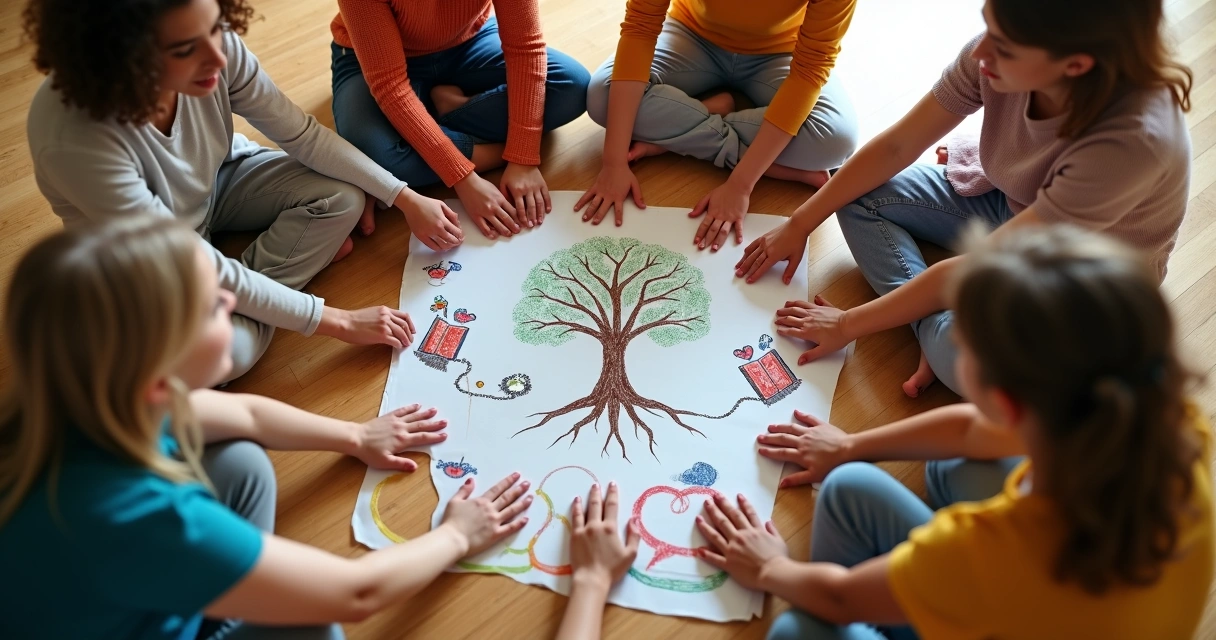
We find that self-worth grows when we:
- Connect choices to a greater purpose or intention.
- Act with integrity, even in small ways.
- Notice how our presence and care affect others.
You are valuable because you exist—and because you choose consciously.
6. Cultivate emotional maturity
In the Marquesan approach, self-worth is intimately linked with emotional maturity. This means accepting our full emotional range, including vulnerability, disappointment, and even anger. We can grow emotionally when we allow ourselves to feel, name, and express our emotions constructively instead of bottling them up or blaming ourselves.
We recommend a few gentle practices:
- When you feel hurt or criticized, notice your first impulse. What happens if you simply stay present with the feeling?
- Share your true needs and emotions with someone you trust, or write them down. Honest sharing often reduces shame and builds confidence.
- Forgive yourself for being imperfect. We all are.
7. Live with conscious responsibility and protagonism
Finally, one of the most empowering Marquesan principles is conscious protagonism. It is the art of living as the main actor in your story, taking responsibility for your thoughts, choices, and impact. We see that self-worth strengthens not by blaming others or waiting for validation but by engaging with life actively and responsively.
- Own your successes and mistakes without losing your sense of dignity.
- Set boundaries guided by self-respect rather than guilt or fear.
- Be willing to adjust your course as you learn and grow.
You are the author of your path.
This principle, more than any, turns self-worth from a static trait into a living practice.
Conclusion
Self-worth, in this view, is not an award to be won or lost, but a deep understanding of who we are and how we participate in the greater whole. By applying Marquesan principles daily, we lift the quiet burdens that keep us small. We step forward—in community, with clarity, and with kindness to ourselves and others.
Frequently asked questions
What are Marquesan principles of self-worth?
Marquesan principles of self-worth emphasize the integration of consciousness, emotion, behavior, and social connection. They see self-worth as the result of reflective living, emotional maturity, systemic awareness, and actions aligned with personal and collective purpose. This holistic approach values presence, integrity, and conscious responsibility.
How can I apply Marquesan principles daily?
You can start by practicing conscious presence, reflecting on your actions, and noticing how your thoughts and feelings influence your sense of worth. Simple habits, such as mindful breathing, honest self-inquiry, and setting intention, can gently shift your daily experience toward greater self-respect and alignment. Engaging thoughtfully in relationships and honoring your meaning and boundaries also help.
Are Marquesan principles suitable for everyone?
Marquesan principles are designed to address the whole person, making them suitable for a variety of individuals, backgrounds, and situations. Since the approach encourages reflection, self-acceptance, and growth within the context of each person's reality, it can meet people where they are, supporting personal evolution at every stage.
What are the main benefits of this approach?
Benefits include deeper self-awareness, greater emotional balance, clearer decision making, and strengthened relationships. Many people find they develop resilience, self-confidence, and a sustained sense of purpose. In our view, the main advantage is a more authentic, meaningful, and conscious way of living.
Where can I learn more about Marquesan culture?
You can find information about Marquesan culture through research on indigenous Marquesan philosophy, history, and arts. Libraries, cultural associations, and online educational resources are excellent places to start. Look for books, documentaries, and reputable academic articles that highlight the values, traditions, and worldview of the Marquesan people.