


Every leader wants to inspire, guide, and truly make a difference. Yet, sometimes, invisible barriers hold us back. Among the most subtle are the silent beliefs that quietly shape our choices, actions, and results. These internal scripts can work as invisible boundaries, restricting potential before any external challenge even appears. Understanding and identifying these silent beliefs is an essential first step for any leader aiming to expand their influence, achieve clarity, and foster authentic growth within themselves and their teams.
Understanding what silent beliefs are
We all hold beliefs about the world, ourselves, and those around us. Some are clear, and we can easily express them. Others, however, work beneath the surface—unspoken, sometimes even unknown. These are silent beliefs. They usually form in childhood, grow stronger through repeated experience and emotion, and eventually become so familiar that they operate like background music.
Silent beliefs are automatic assumptions about what is possible, acceptable, or realistic for us in leadership roles. They influence how we make decisions, react to stress, relate to others, and handle uncertainty. If we don’t become aware of them, they quietly shape our leadership in ways we might not intend.
What we believe, even silently, becomes the filter through which we lead.
Why silent beliefs matter in leadership
In our daily routines, we may not notice how these beliefs get in the way. A leader may secretly believe, “I can’t delegate because I’m the only one who can do it right.” Or, “People resist my ideas, so it’s better not to suggest new things.” These silent thoughts limit initiative, weaken confidence, and quietly reduce our overall impact.
- They affect self-perception: If we believe we're not visionary enough or that mistakes are unacceptable, we hesitate to innovate.
- They shape relationships: Silent fears about being disliked or not respected can make us avoid difficult conversations.
- They define risk: The belief that “failure is fatal” can lead to missed opportunities and unnecessary caution.
Recognizing these impacts is the first sign that silent beliefs are not only personal—they shape team culture and organizational outcomes as well.
Common types of silent limiting beliefs in leaders
Over time, we’ve observed recurring patterns among leaders striving for growth. Some of the most common silent limiting beliefs include:
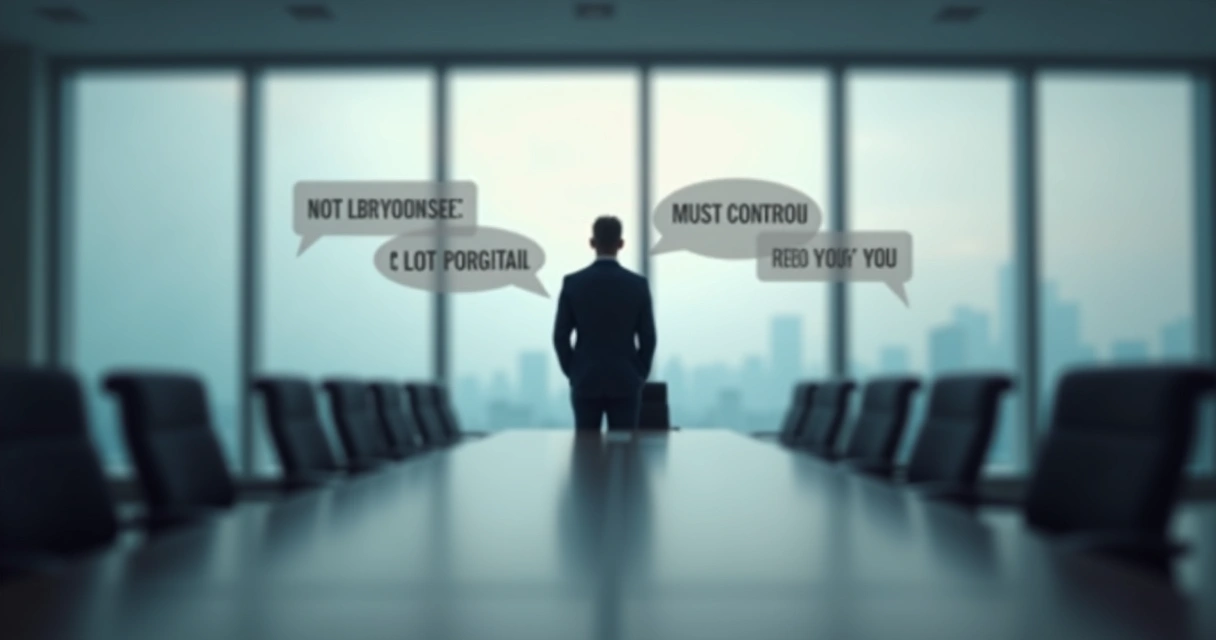
- Fear of judgment: The silent thought is, “If I speak up, others will reject my ideas.”
- Need for control: The inner monologue believes, “If I don’t manage every detail, things will fall apart.”
- Deservingness doubts: The belief forms as, “I don’t really deserve my position or influence.”
- Mistakes equal weakness: “If I make a mistake, people will lose respect for me.”
- Conflict avoidance: “Harmony should always be kept, even if it means sacrificing important discussions.”
These beliefs rarely announce themselves but instead shape choices and reactions in subtle, often unrecognized ways.
How silent beliefs form and go unnoticed
Silent beliefs are not accidental. They arise from the intersection of strong emotions, repeated experiences, and cultural norms. Imagine a young professional whose bold idea was dismissed early in their career. If the disappointment is reinforced, the mind learns: “It’s safer not to stand out.” Over the years, such repeated lessons turn into fixed beliefs—so familiar we stop noticing them.
Unconscious patterns tend to repeat themselves until we bring conscious awareness to them. Personal history, deep emotional experiences, and the influence of family or society all play a part in shaping our beliefs. Over time, these beliefs settle in, quietly coloring every judgment and choice.
Steps to identify your silent limiting beliefs
The journey begins with self-observation and honest reflection. Identifying silent beliefs takes curiosity, patience, and sometimes courage. We suggest the following approach:
- Start with recurring challenges. Notice if there are certain patterns that reappear in your leadership, such as difficulty delegating, avoiding tough conversations, or hesitating to try new approaches.
- Listen to your internal dialogue. Pay close attention to quick, automatic thoughts when facing stress, conflict, or uncertainty. These spark phrases like, “I shouldn’t,” “I can’t,” or, “This never works for me.”
- Reflect on emotional triggers. Identify situations that bring strong emotions—frustration, anxiety, shame, or guilt. Ask yourself, “What am I afraid could happen?”
- Ask open questions. When you notice yourself holding back or acting habitually, pause and wonder: “What belief is driving this?” Write down what comes to mind without judging it.
- Seek feedback from trusted people. Sometimes, others see our patterns more clearly. Ask for observations about times you seem less confident, less flexible, or closed off.
An honest approach, paired with self-compassion, can bring these beliefs from the shadows into the light.
Signals that silent beliefs might be present
There are warning signs that suggest silent beliefs may be active in our leadership. Some useful clues include:
- You feel stuck, even with expert advice or additional training.
- There is resistance to trying new behaviors, despite wanting better results.
- You notice the same difficult situations repeating over and over in your team or organization.
- Strong emotional reactions seem out of proportion to the situation at hand.
- Feedback from others doesn’t seem to “fit” how you see yourself, leading to frustration or confusion.
If any of these patterns sound familiar, it’s likely that silent beliefs are at work, limiting your potential as a leader.

What to do once you spot them
Identifying silent beliefs brings a powerful opportunity. The first step is to recognize that these beliefs can be changed—they are not unchangeable facts.
- Name the belief. Write it down simply. For example, “I must always have the answer.”
- Test its truth. Ask: “Is this always true?” “How did I learn this?”
- Gather evidence to the contrary. Look for moments when the belief wasn’t true. For instance, “When I asked my team for help, we found even better solutions.”
- Create a new, supportive belief. Replace the old script with something rooted in conscious intention, such as, “Asking for help allows my team to shine.”
- Practice new actions. Put the new belief into practice, even in small ways. Over time, confidence and new patterns will grow.
Awareness is the seed of change.
Conclusion
Silent beliefs shape our leadership more than most of us realize. By understanding what they are, how they form, and how to identify them, we reclaim power over our decisions and leadership style. This process is not always quick, but it is deeply rewarding. In our experience, intentional reflection and honest self-inquiry are the foundation for transforming limiting beliefs into new strengths.
Every leader’s path to greater impact begins inside, with the beliefs we carry into every interaction, choice, and moment of influence. We trust that with conscious attention, growth becomes not just possible—but natural.
Frequently asked questions
What is a silent limiting belief?
A silent limiting belief is an automatic, often unconscious, belief that restricts our potential or shapes our leadership choices in unseen ways. These beliefs usually form from past experiences and operate in the background, influencing our actions without direct awareness.
How do silent beliefs affect leaders?
Silent beliefs can limit leaders by shaping decisions, emotional responses, and interactions with others without being noticed. They can lead to chronic hesitation, fear of failure, or avoidance of responsibility, which in turn affects a leader’s influence and the overall growth of their team.
How can I spot my own silent beliefs?
Begin by observing your recurring challenges, negative self-talk, and strong emotional reactions in leadership situations. Ask yourself what beliefs might be driving these patterns, and seek honest feedback from those you trust. Write down your discoveries to acknowledge and address them more effectively.
Can silent beliefs be changed easily?
Changing silent beliefs usually requires conscious effort, reflection, and practice, but with persistence, they can absolutely be changed. Small, consistent actions aligned with new beliefs help form new habits that gradually replace old, limiting ones.
Why do silent beliefs go unnoticed?
Silent beliefs become so familiar that they blend into our internal background, almost like white noise. They form early, are often reinforced by emotion or repeated experience, and are rarely questioned unless we intentionally look for their influence.