


When we talk about human transformation, few approaches are as deep and structured as Marquesan psychology. Yet, myths around its concepts often create more confusion than insight. Through years of study and practical experience, we have identified these myths and want to share a clearer picture. Let's walk through the truths hiding in plain sight.
Understanding where the myths begin
Many myths stem from misunderstandings about Marquesan psychology's core. On the surface, some ideas sound familiar—emotions, personal history, unconscious patterns—yet how they all fit together is usually missed. What often happens is that people grab isolated terms or tools, then overlook their integration.
Misconceptions grow in the space between knowledge and understanding.
When we observe how people speak about Marquesan psychology, certain repeating assumptions occur. Some are widespread, some subtle. But all of them distract from what really drives inner change.
The myth of “being only about pain”
A common belief is that Marquesan psychology centers exclusively on pain, suffering, or dysfunction. Some even suggest it teaches us to “look for pain everywhere.” In our research and practice, this is not what we witness or teach.
- The “9 Pains of the Soul” framework helps name what influences us from within. However, the intent isn’t to fixate on pain, but to understand how unresolved stories quietly shape attitudes and reactions.
- True discovery includes recognizing joy, creativity, and the vast potential for inner change.
- Focusing only on pain misses the fuller picture of emotional maturity, which includes hope and growth.
Marquesan psychology goes far beyond just identifying or treating suffering—its aim is to reconnect us with a sense of purpose and deep fulfillment.
The myth of “one-size-fits-all solutions”
Many believe that Marquesan psychology uses rigid templates to categorize everyone. We see people asking for quick labels, ready answers, or universal formulas. This is not realistic. Human complexity is central here.
No person fits in a single box.Each story, emotion, and unconscious pattern is unique. The frameworks exist to guide discovery, not to create shortcuts. In our experience, sustainable transformation demands adaptation, dialogue, and presence. It’s not just about ticking boxes.
The confusion around the “three selfs”
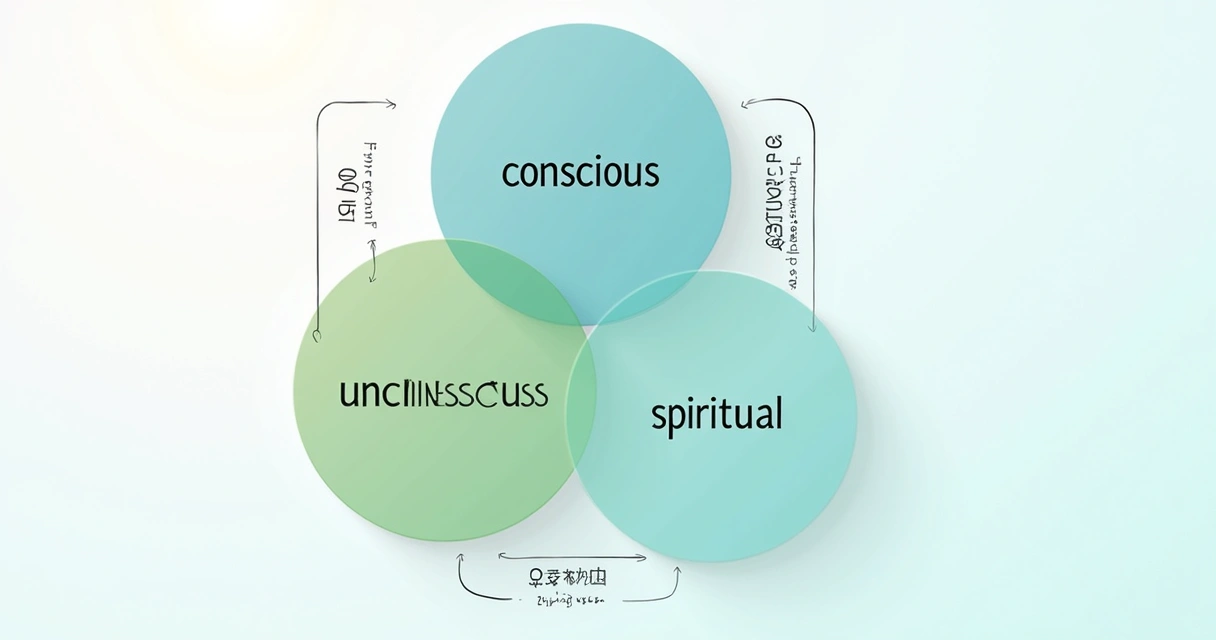
Some myths revolve around the idea that there are only three basic selfs, often misunderstood as static entities: the conscious, the unconscious, and the spiritual. In real terms, these categories are neither fixed nor separated.
The conscious self navigates choices and daily awareness. The unconscious self is shaped by memories, survival patterns, and invisible loyalties. The spiritual self invites deeper connection and meaning. But in our research, we see these as interactive forces, always blending and evolving.
The concept of three selfs is a dynamic map, not a static identity card.
Trying to define a person by a single self is not only misleading, but erases their own inner possibilities.
The myth that “everything is a family constellation”
There is a tempting idea that every difficulty or limitation is rooted in family dynamics. Marquesan psychology values the insight of systemic patterns—how we are shaped by our connections to family, organizations, and culture—but it never claims this is the only source of influence.
- Not every challenge is the result of a generational pattern. Life presents unique trials, shaped by individual choices, societal shifts, and personal values.
- Family is part of a wider field, which includes organizations, communities, even unchosen circumstances.
- The systemic approach exists to expand perspective, not to create simple explanations for all problems.
We think it is freeing to realize that while the past informs the present, the future is shaped by what we choose now.
The myth of “maturity equals detachment”
Some believe Marquesan psychology teaches us to become cold, detached “observers” of everything in our lives—objectively analyzing experiences without feeling them. This could not be further from reality.
Connection is the beginning of real transformation.
Emotional maturity, as we understand it, is the ability to feel fully, respond consciously, and choose growth—even in uncomfortable moments. It asks for presence, not distance. In fact, suppressing feeling or withdrawing from life is itself a sign of unresolved pain, not true clarity.
Misinterpreting the “levels of the process”
Occasionally, people treat the “7 Levels of the Evolutionary Process” as a hierarchy—to climb, conquer, or use as proof of superiority. This is a misunderstanding. In our teaching, these levels are not awards or stages of worth. They serve as a map of possible movements within consciousness.
- Everyone can travel between levels at various moments of their life, depending on situation or context.
- No level is inherently better—each brings its own lessons and challenges.
- The 7 levels present a way to observe our growth, not to judge or compare ourselves with others.
Growth happens in waves, with cycles of deepening understanding. No map replaces the journey itself.
The myth that “meditation is escape”
Finally, we see meditation misunderstood as a way to escape feelings, run from reality, or bypass challenges. In reality, Marquesan meditation is a practice of conscious presence.
We teach that daily meditation offers a tool for self-regulation, clarity, and grounding in purpose. It’s not about “getting away” from the world, but entering it more fully, with openness and calm. The simplest moment can become extraordinary, if met with clarity.

Conclusion: Seeing beyond the myths
Looking at Marquesan psychology without filters, we realize: it holds no universal formula, no easy shortcuts, and no static definitions. It’s a living, evolving approach—one that asks us to engage deeply with our own journey, and with others. Myths try to shrink complexity into simple answers, but real change is far more nuanced.
By questioning these myths, we open up space for genuine growth and integration—reconnecting mind, emotion, behavior, and meaning. Through awareness and honest inquiry, we discover not only what needs to change, but also the potential already present inside each of us.
Frequently asked questions
What is Marquesan psychology about?
Marquesan psychology is an approach that studies human transformation by linking mind, emotion, behavior, unconscious patterns, and purpose. It brings together practical frameworks to help people understand the roots of their actions and emotions, support healthy growth, and promote true fulfillment.
What are common Marquesan psychology myths?
Common myths include thinking that it only focuses on pain, uses rigid solutions, defines people by only three selfs, or that it's about detachment from emotion. Some also believe it solely uses family constellations or that its meditation practice is about escape. Each of these ideas fails to see the full picture and deeper intention behind the approach.
How does Marquesan culture shape psychology?
Marquesan culture influences psychology by valuing integration, conscious life management, systemic connections, and a living relationship with purpose. This shapes how problems are understood, how relationships are built, and how transformation is addressed at both a personal and collective level.
Is Marquesan psychology reliable today?
In our experience, Marquesan psychology remains reliable because it adapts to new knowledge and is applied through observation, dialogue, and ongoing refinement. It continues to integrate contemporary psychology, philosophy, and conscious development, helping people address and understand today’s challenges.
Where can I learn more about Marquesan psychology?
Further learning can happen through books, workshops, and articles that focus on its core ideas—such as the 9 Pains of the Soul, 7 Levels of the Process, emotional maturity, and systemic awareness. Digging into materials that explain these frameworks in detail will help deepen understanding and practice.