

In a world flooded with information, schedules, and constant change, gratitude has quietly become one of the most reliable anchors for inner growth and social harmony. Yet, something is shifting. In 2026, gratitude is maturing beyond the simple act of saying “thank you”. It now calls us to observe the web of connections supporting our lives—what we might call systemic gratitude. This means acknowledging not only what we directly receive, but also recognizing the hidden threads linking us to others, our environments, and the deep narratives shaping our days.
We have worked with thousands who felt alone in crowds or disconnected from the routines that should fill them with joy. Through research and lived experience, we discovered that gratitude works best when it becomes communal, reflective, and systemic—permeating our thoughts, relationships, and responsibilities. Research from Harvard Medical School connects regular gratitude practices with increased happiness, resilience, and improved physical health. And according to data from the Pew Research Center, the vast majority of U.S. adults report experiencing gratitude regularly. But how do we bring this practice to life beyond the surface?
True gratitude flows when we see ourselves as part of something greater.
What is systemic gratitude?
Systemic gratitude is the practice of honoring the many visible and invisible systems that sustain our lives: our bodies, families, communities, workplaces, and even the broader ecosystem. It means giving thanks not just for individual benefit, but for the relationships and patterns supporting our growth and wellbeing.
Systemic gratitude moves us from personal satisfaction to deeper connection, mutual support, and conscious participation in the shared reality we create together.
So, how can we make this shift in our daily lives? We have prepared seven rituals for 2026—practices that do not require grand gestures or complex tools, but rather, presence, intention, and a willingness to see the bigger picture. Each ritual aims to strengthen our bonds and nurture a sense of meaning in our everyday world.
The seven rituals for deeper connection
1. The morning ripple
Start each day by tracing the journey of something you will use or consume—a cup of coffee, a shirt, electricity. Reflect, even for a minute, on the hands, processes, and systems that brought it to you. Imagine briefly the farmers, distribution workers, designers, and invisible supporters involved.
By appreciating the chain behind the objects in our lives, we develop humility and interconnectedness, not just gratitude for the final result.
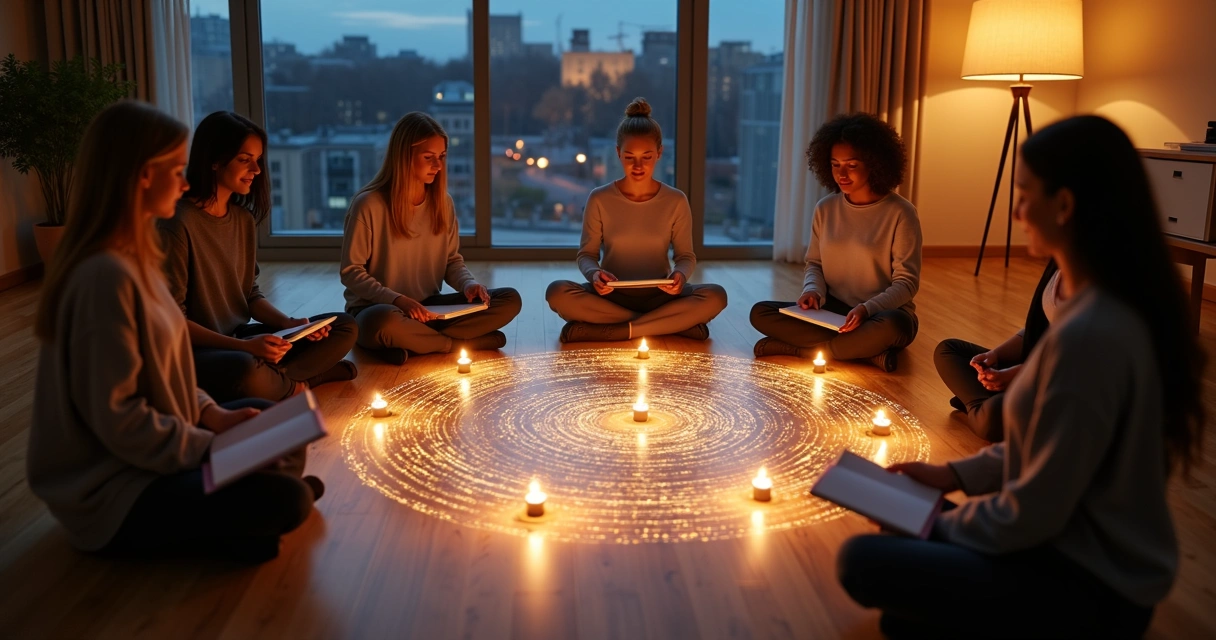
2. The gratitude circle
Dedicate time weekly for a gratitude circle with friends or family. Each person shares gratitude not just for others present, but for someone or something outside the group that affected them positively that week. This can be in-person or virtual and should foster listening, acknowledgment, and expanding awareness.

This is not a one-way ritual; it is a mirror showing how gratitude echoes across different parts of our lives.
3. The lineage letter
Once a month, choose an ancestor or someone from your past who helped shape you. Write a letter expressing gratitude for their influence—even if you never met them personally. Describe how their actions, choices, or values have left a mark in your present life.
If possible, read it aloud, or display it where you can be reminded of your roots and the generational support flowing through you.
4. The collective breath
Gather with others, or pause alone, for a few shared breaths focused on collective wellbeing. With each inhale, visualize drawing in the efforts and love of those around you—family, colleagues, society. With each exhale, offer a silent blessing to these groups, asking for their health and contentment too.
Conscious breathing with intention expands our sense of belonging and participation in the larger system.
5. The ecosystem walk
During a walk in a park, neighborhood, or even a busy city street, notice the interdependency of life: plants, animals, buildings, infrastructure, people in motion. As you walk, whisper silent thanks—not only for the beauty, but for the processes allowing your steps, your breath, your view.
Pause at least once to touch a tree, observe workers, or greet a neighbor. Express this appreciation quietly or aloud.

6. The daily impact journal
At the end of your day, write down at least one way your actions affected someone or something else—directly or indirectly. This could be a kind word, a professional decision, or a simple act like recycling. Then, note how someone’s actions or society’s systems benefited you as well.
Over time, patterns emerge, showing how our choices ripple far past what we first see.
7. The forgiveness release
Systemic gratitude is not just about sweet moments; it means releasing resentment and acknowledging sources of pain that taught us something. Choose someone, a group, or even an unhelpful pattern, and consciously offer forgiveness—not as denial, but as understanding. State aloud or in your head:
I am grateful for the lesson, and I release resentment for the sake of our shared future.
Notice the relief, the opening created by saying this, even if the process feels hard at first.
How these rituals create sustainable connection
Research from positive psychology highlights how regular gratitude practice supports positive emotions, stronger relationships, and better coping with challenges. Beyond a personal benefit, systemic gratitude produces “network effects” where appreciation spreads, trust grows, and supportive actions multiply, as highlighted in studies from Harvard Medical School. The more we widen our gaze—from self to system—the more deeply rooted our sense of belonging and responsibility becomes.
By adopting these rituals, we shift gratitude from a momentary feeling to a living, continuous practice.
Families report fewer conflicts, teams become more cohesive, communities build resilience, and individuals feel less isolated. According to Pew Research Center data, frequent gratitude is already the norm for many, but bringing it to life systemically is the next step.
Bringing ritual into busy lives
Some may worry that rituals require time or special circumstances. We have seen, though, that the power of systemic gratitude rituals lies in their adaptability. Whether practiced with loved ones, colleagues, or during moments of solitude, these rituals bring quiet transformation, helping us reconnect with daily meaning.
When we place gratitude in a systemic context, the impact multiplies—on ourselves, our relationships, and the broader world.
Conclusion: The future belongs to conscious connection
As we move through 2026 and beyond, choosing gratitude means choosing conscious participation in life’s unfolding patterns. With each ritual, we become more than recipients—we become contributors to a more compassionate and interconnected reality. When we see gratitude as part of a living system, even ordinary moments reveal their depth, and our connections grow stronger.
Gratitude is not just a reaction—it is a way of being present in the system of life.
Frequently asked questions
What is systemic gratitude?
Systemic gratitude is the recognition of the many people, systems, and circumstances—seen and unseen—that shape and support our lives.Rather than focusing only on individual acts or benefits, it encourages a wider appreciation of the connected networks and histories that allow us to thrive.
How do I practice these rituals?
You can practice these seven rituals alone or with others. Most can be adapted to fit your lifestyle and do not require special materials. The key is to approach each ritual with presence and intention, reflecting on how you are part of a larger system, and expressing gratitude sincerely.
Are these rituals based on research?
Yes, the positive effects of regular gratitude practice are well documented in research by positive psychology. Studies from institutions like Harvard Medical School show clear benefits for mental, emotional, and physical health when gratitude becomes a regular habit.
Can I do the rituals alone?
Most of these rituals can be done alone or with others, depending on your circumstances and preferences.Practicing gratitude in solitude builds inner strength, but sharing rituals with friends, family, or colleagues can deepen connection and amplify the effects.
Do I need special materials for rituals?
No special materials are required for any of the seven rituals. They are designed to be low-barrier and accessible, relying on your attention, reflection, and willingness to connect. Occasionally, you may wish to use a journal or write a letter, but there is no need for elaborate tools or settings.