

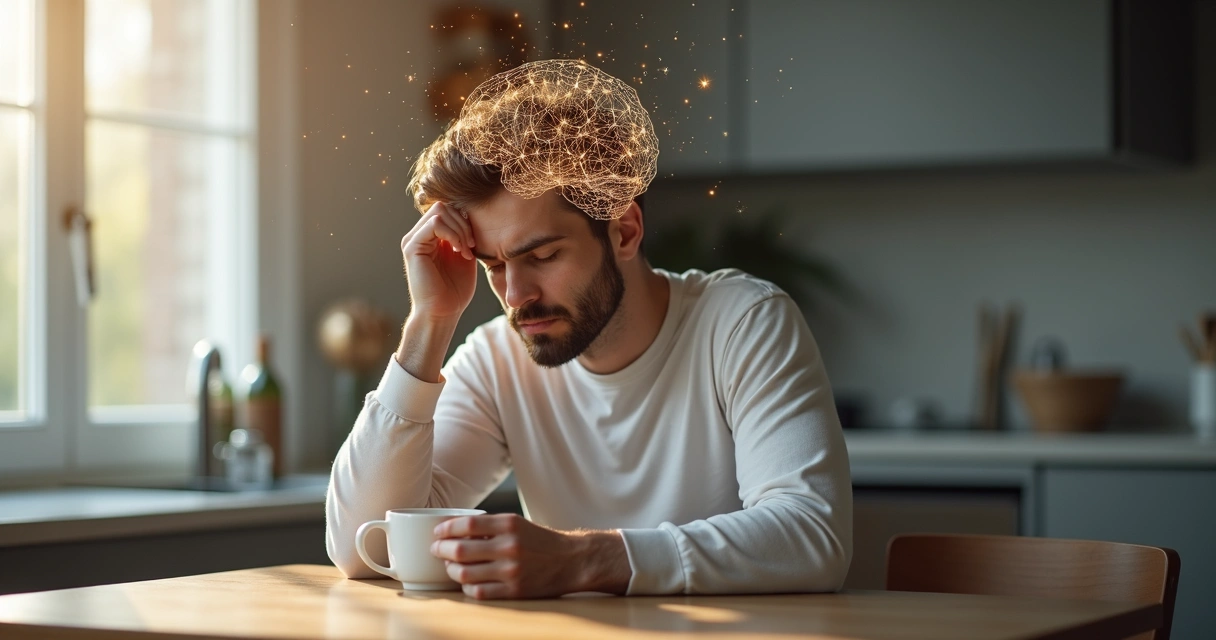
Every day, emotions guide our actions, reactions, and choices, often before we consciously know why. We wake up, respond to phone calls, interact with family, face coworkers, feel frustrated in traffic, or experience warmth from a friendly gesture. What if nearly all these emotional responses had invisible origins that go beyond surface thoughts or present situations? In our experience, we have seen countless lives changed by understanding this: unconscious beliefs shape the way we feel, far more than everyday logic or willpower.
Understanding unconscious beliefs
Let us start by clarifying what unconscious beliefs are. These are ideas, judgments, or expectations about our world, others, and ourselves that operate beneath our active awareness. They are not purposely hidden; they come from early life experiences, family influences, education, and culture. They become so deeply ingrained that we can live much of life on “autopilot”—reacting from these beliefs without ever questioning their roots.
Think about these situations:
- Someone criticizes your work and you feel instant shame or anger, even when the feedback is polite.
- You hesitate to take a risk at your job, feeling a familiar anxiety that “something might go wrong.”
- Unexpected joy or discomfort arises when a friend cancels plans or your partner forgets something you said.
Often, the emotional response seems automatic. But underneath is usually a set of “rules” the mind believes, like: “I must be perfect to be accepted,” or “Others will let me down eventually.” We rarely notice those rules guiding our reactions—yet they are always there.
How unconscious beliefs develop
These beliefs usually begin as interpretations to help us make sense of life. A child whose parent is distant may unconsciously develop the idea, “I am not worthy of love.” Another child praised only when they succeed may start to believe, “Mistakes mean failure and disappointment.”
As we grow older, these interpretations may harden into rules that shape the way we react emotionally. The process is automatic and gradual, built from repetition and emotional charge. We may not even remember the original moment or understand the connection.
The subtle link: from belief to emotion
Here is the hidden dynamic: Unconscious beliefs filter every experience, creating meaning before the conscious mind detects it. When an event matches or threatens one of these beliefs, the body reacts, producing emotions—fear, shame, pride, anger, joy—within milliseconds.
“Beliefs act like invisible lenses, coloring every emotional response before thought can catch up.”
We have all experienced moments that seem minor to someone else, but trigger something deep for us. In our observations, these intense feelings can almost always be traced back to a hidden belief system. For example:
- “I am not good enough” can trigger anxiety in group settings, dread during evaluations, or deep embarrassment from small mistakes.
- “People can’t be trusted” can cause distance in relationships, suspicion at work, or anger during misunderstandings.
- “I must control everything” turns neutral surprises into stress, making relaxation or delegation difficult.
Everyday examples: emotion in action
Let's look inside a typical day to spot how these beliefs influence our moods and reactions:
- Morning stress: You wake up late. If unconsciously you believe, “I have to be in control or I’ll fail,” this triggers panic and self-criticism. Even after you recover, the mood can linger.
- Social encounters: You meet a neighbor who greets you coldly. If you hold, “People don't appreciate me,” hurt or anger might flare up, even if their behavior had nothing to do with you.
- At work: The boss gives short feedback. If under the surface the belief is, “I am only as good as others say,” fear or self-doubt can color your whole morning.
- Evening interactions: A loved one is distracted during dinner. If you carry, “I get left out,” you may feel rejected or resentful, even though they mean no harm.
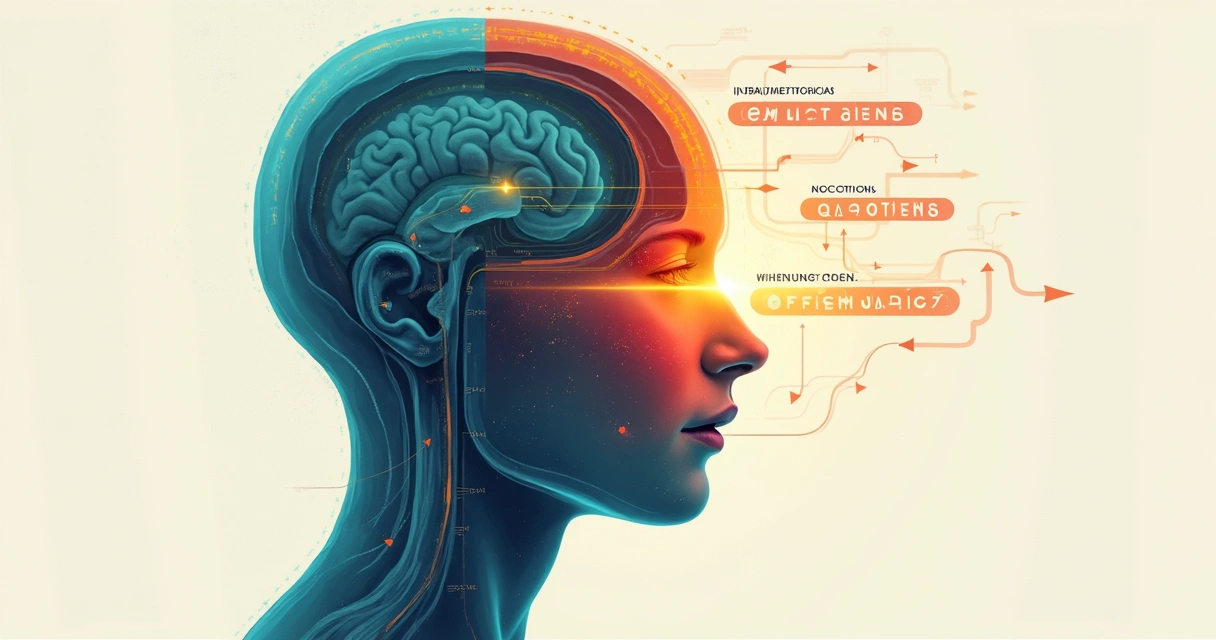
These reactions are not random or trivial. They are the mind’s way of protecting us based on beliefs it learned to ensure safety, acceptance, or success. But over time, they often lead us to repeat unhelpful patterns, limiting joy and flexibility.
Recognizing when beliefs are in action
How do we actually notice when an unconscious belief is driving our emotions? In our experience, certain clues stand out:
- Your emotional reaction feels out of proportion to the situation.
- A pattern repeats: same feelings, different people or places.
- You quickly justify your feeling, even when others see things differently.
- A familiar inner voice repeats messages from the past.
Learning to catch these moments means noticing not just what we feel, but asking where the feeling points us. It helps to pause, reflect, and consider the story beneath our emotional reaction.
What happens when we bring beliefs to light?
When we start seeing the connection between unconscious beliefs and emotions, something changes. Emotional reactions lose some of their grip. We get a chance to see old “rules” as optional, not facts.
Here are some effects we have observed:
- We react with more understanding, not just instinct.
- Unexpected emotions become signals to learn, not threats to avoid.
- Our relationships open up as we share and soften our inner world.
- The past has less power to shape our future reactions.
This is not about erasing beliefs. It is about responding with more choice and care. Emotional maturity grows from seeing, not suppressing, our inner world.
Can we change unconscious beliefs?
Yes, awareness is the first step. Over time, as we watch these beliefs in action, question their truthfulness, and experience new ways of being, change can happen. Practices like mindful reflection, honest conversation, and seeking feedback from people we trust can support this process.
But it starts with the simple decision to pay attention. The more we see the cycle of belief, emotion, and action, the more we take ownership of our emotional lives.
Conclusion
Unconscious beliefs are the hidden roots of our daily emotional life. While they shape reactions in ways we barely realize, they do not have to rule us forever. As we learn to notice and understand these influences, we discover more freedom, compassion, and choice each day. Our emotional responses become not just habits, but opportunities to create the life we want.
Frequently asked questions
What are unconscious beliefs?
Unconscious beliefs are deep-seated ideas or assumptions about ourselves, others, and the world that operate outside our regular awareness. They are learned early and shape how we interpret events and respond emotionally, even when we are not aware of them.
How do unconscious beliefs affect emotions?
Unconscious beliefs filter our experiences, causing our minds and bodies to react emotionally before we consciously process what is happening. This means our feelings in any moment often reflect these hidden beliefs rather than just the situation itself.
How can I identify my unconscious beliefs?
You can start by noticing emotional reactions that seem intense or puzzling for the situation. Asking yourself “What am I believing right now?” or “When else have I felt this way?” can help. Patterns that repeat across time, places, or relationships are often tied to unconscious beliefs.
Can unconscious beliefs be changed?
Yes. With awareness and reflection, unconscious beliefs become more visible. Practices such as mindful inquiry, exploring personal history, and talking openly with others can loosen their hold, allowing for change over time.
Why do we form unconscious beliefs?
We form unconscious beliefs as a way to make sense of our early experiences and the world around us. These beliefs often help us find safety, acceptance, or control in childhood, but may continue to operate even when they are no longer useful in our adult lives.