
City life moves quickly. Sirens, screens, the pulse of crowds. All of this can weigh on our minds. Many of us feel our hearts beating faster as we try to keep up. Stress becomes part of the routine, not an exception.
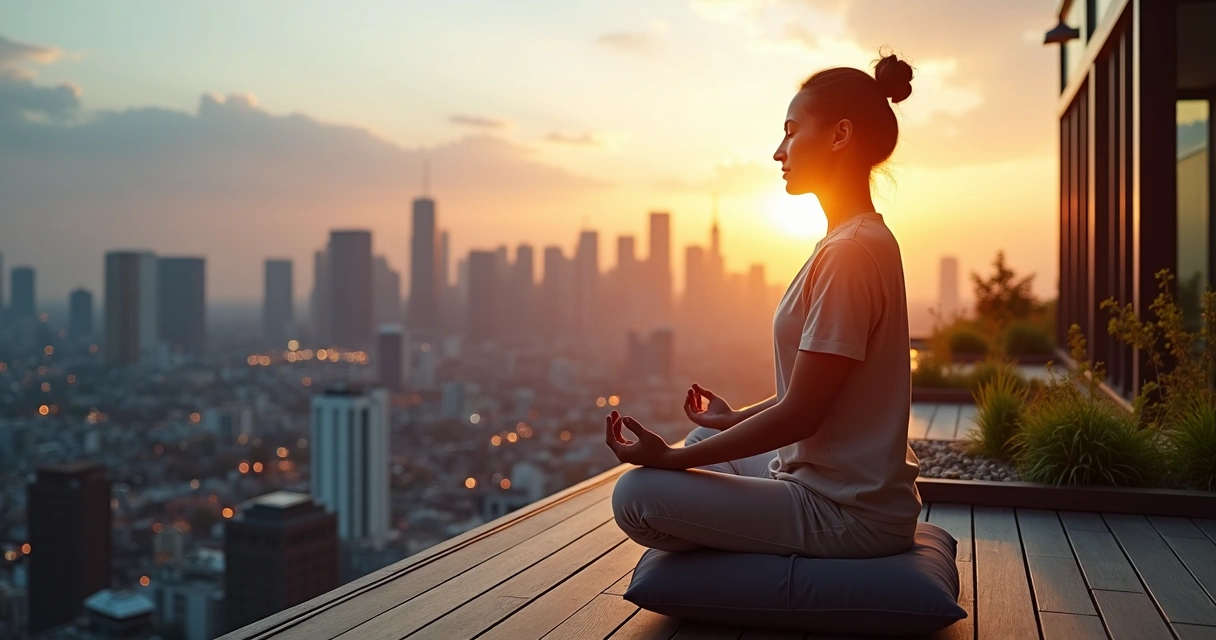
We have witnessed how the challenge for inner calm grows with every urban sunrise. In this setting, Marquesan meditation opens a door. It’s not a flight from reality, but a way to stay steady in the middle of it. In our experience, these practices create a space inside of us where calm and awareness co-exist.
Why stress hits harder in the city
Cities compress energy. Every step on the pavement seems to pick up a trace of hurry. Our brains process more sounds, faces, and decisions than ever before. Even simple tasks can feel more difficult after a noisy commute or a difficult workday.
We see the most common triggers for city stress as:
- Constant noise and lack of quiet spaces
- Long commutes and feeling rushed
- Pressure to perform quickly at work or at home
- Too much digital information and screen time
- Little contact with nature
Stress in cities is not just about having a busy agenda—it's about the quality and intensity of stimulation every day.
The basics of Marquesan meditation
Marquesan meditation centers on conscious presence and emotional self-regulation. The method links intention, emotion, and action with practical steps. It is always about living, not escaping. Our approach focuses on:
- Returning attention from outside to inside
- Grounding ourselves in the present moment
- Balancing rational thought with emotional awareness
- Practical application in daily urban life
We teach that meditation is not just something done with eyes closed in silence. It can be practiced on the train, in crowded areas, during traffic, or while waiting in line for coffee.
Key Marquesan meditation practices for city stress
City stress can sneak into the body and mind without warning. We have found that four simple, functional Marquesan meditation practices can break this cycle.
Bodily awareness reset
A city keeps us in our heads. This practice brings us back to our bodies. Choose a place where you feel safe: a park bench, a hallway, or just sitting at your desk. Close your eyes or lower your gaze. Pay attention to the sensation of breath in your nostrils, the contact of your body with the seat, your feet against the ground.
“Stress shrinks when we return to our body for even one minute.”
Notice tension points. Does your neck ache or your jaw clench? Do not try to change anything, just name what you feel. If you notice tension, imagine breathing into that spot. We think that doing this a few times a day can help reduce the “buzz” of city stress.
Three-step presence pause
In the city, moments for reflection are rare. This practice is about making a window in your day, in less than a minute.
- Pause. Wherever you are, stop any movement for a second.
- Breathe. Inhale and exhale, counting to four for each breath.
- Observe. Ask silently, “What am I experiencing right now?”—without judging or analyzing.
This is a reset you can practice in elevators, at your desk, or among the crowd in a subway station.
Emotional labeling in action
Urban life can confuse emotions with events. We might feel angry and blame the traffic, but the emotion runs deeper. This practice interrupts the cycle:
- Notice the strongest feeling in your body right now.
- Give it a simple label (e.g., “tension,” “sadness,” “nervousness”).
- Say the label silently or aloud. (“This is frustration.”)
Labelling emotions as they arise takes power away from the emotional storm.
As this becomes a habit, we find that the emotional charge of stress declines. The city feels less overwhelming.
Intentional walking meditation
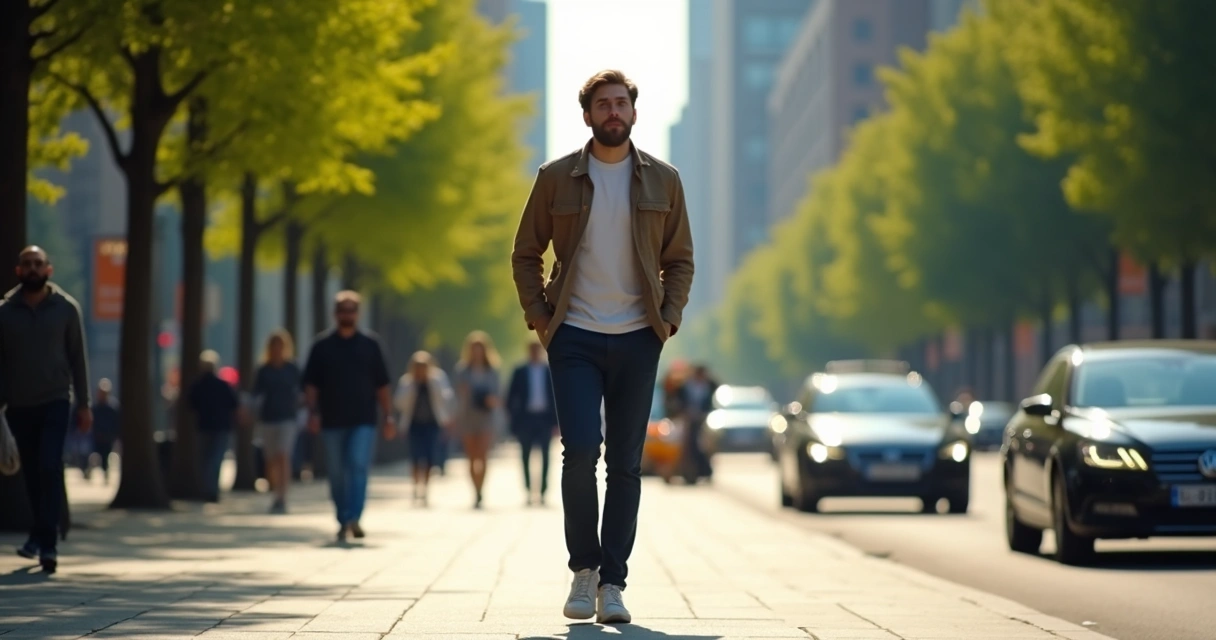
Movement is a natural ally in crowded places. Walking meditation is simple: set an intention to feel each step. Notice your heel, your toes, your legs at work. If your attention wanders, gently bring it back to your step. No need for a special place—it works in sidewalks, corridors, parks, or even between your home and the train station.
“Walking with awareness turns even a busy street into a moment of presence.”
In our view, this type of meditation helps integrate calm into ordinary activity. It is especially useful for people who do not enjoy sitting still.
Building a daily meditation habit in city life
We know that adding a new practice can feel like another item on an already long list. But Marquesan meditation methods don’t need a lot of time or a silent mountain retreat.
Here are some ways to make meditation a real part of life in the city:
- Start with just two minutes each morning before you reach for your phone.
- Pick one minute during lunch to try a presence pause.
- Use waiting times—while your coffee brews, or in a line—as a chance for emotional labeling.
- Walk some part of your daily route mindfully, even just one block.
Consistency shapes results more than duration. Urban meditation builds up drop by drop, moment by moment.
Common obstacles and how to work with them
We recognize that city life resists stillness. People often tell us:
- “I have no time.”
- “I can’t find quiet.”
- “My mind races too much.”
- “I forget to practice.”
Our experience points to some gentle solutions:
- Treat meditation like brushing your teeth—a basic self-care habit, not a luxury.
- Use reminders: Post-it notes, calendar alerts, or visual cues can help.
- Accept that there will be busy or noisy days. Just a minute of practice is still helpful.
- If your mind resists, let the resistance be part of your meditation rather than a reason to stop.
How city meditation changes stress
Practicing meditation in the city does not mean reaching perfect calm or blocking out the world. Instead, it shapes how we relate to stimulation and stress. Our decision-making grows calmer. We notice space between our feelings and reactions. Sometimes, we catch a small moment of stillness between sirens and schedules.
“Meditation does not fight noise—it creates an anchor.”
With time, we become less pulled by the latest crisis and more grounded in ourselves.
Conclusion
Urban life is fast-paced and demanding, pressing us to move, act, and react quickly. Marquesan meditation, in our experience, is a tool for real change, even in the busiest environments. Simple practices return us to our bodies, help us name and understand emotions, and make space for a different kind of presence within city life.
It is not the number of minutes you meditate, but the frequency of returning to yourself, that shapes new patterns of calm and resilience.
We believe stress does not have to be the price of city living. With these practices, we can write a new rhythm—one where presence replaces pressure, one mindful breath at a time.
Frequently asked questions
What is Marquesan meditation?
Marquesan meditation is a modern approach that emphasizes conscious presence and emotional balance in daily life. It is grounded in a structured process that combines attention to the body, awareness of emotions, and alignment between intention, thought, and action. This practice invites us to meditate in real-world situations, not only in silence or solitude, making it suitable for today’s busy lifestyles.
How can I start Marquesan meditation?
We suggest beginning with small, simple steps. Choose one practice, such as a one-minute bodily awareness reset or the presence pause. Integrate it into a part of your day that you find most stressful, like your commute or before meetings. Consistency matters more than length at first. Over time, as you get comfortable, you can add more moments of practice throughout the day.
Is Marquesan meditation good for stress?
Yes, this meditation method is designed specifically to address the unique stressors of daily life, including those found in urban environments. The emphasis on emotional labeling, body awareness, and practical application helps you manage stress from within, without needing to remove yourself from daily demands. Many people notice a reduction in stress and greater emotional stability, even after short, regular practice.
Where to learn Marquesan meditation in cities?
We find that many people learn best through a combination of guided sessions and practicing on their own. If you are in a city, look for structured group practices, workshops, or online instructions that align with these methods. Some find that small meditation groups at work or in their social circles can support their progress as well.
How often should I practice Marquesan meditation?
We recommend regular practice, even if just for a few minutes each day. It is more helpful to meditate for one or two minutes many times a day than to wait for a quiet hour. As the routine forms, you might naturally find yourself using these techniques in different city situations, from waiting in lines to walking busy streets.