


For years, I’ve heard people say, “I tried meditation but it just doesn’t work for me.” As someone passionate about human transformation and mental clarity, I know how easy it is to get discouraged or stuck when starting a meditation practice. Sometimes what holds us back isn’t the practice itself, but a series of common mistakes that sneak in without us noticing. Today, I want to break down those stumbling blocks, offer real examples, and give you tools to make your meditation work for you—not against you. Through my time researching and teaching through the Mental Clarity Zone project, I’ve seen these patterns over and over. Let’s get clear enough to move past them.
Chasing instant results
One of the most widespread mistakes I’ve encountered, both personally and in my work with others, is the expectation of immediate peace or revelation. The first time I sat in silence, I expected to feel transformed within minutes. In reality, nothing dramatic happened. It took honest reflection and repeated practice to see even small shifts in my mind and emotions.
Meditation is not a quick fix, but rather a gradual training of attention, emotion, and presence. Measuring success by immediate results can lead to disappointment and a quick exit from the practice.
Lasting change starts quietly, one breath at a time.
If you find yourself thinking, “I’m not feeling anything—this must be wrong,” try to remember that real internal growth takes time. Be patient with yourself.
Striving for a blank mind
I used to believe that “successful” meditation meant having absolutely zero thoughts. But the more I researched and practiced—and learned from systems like Marquesan Meditation—the more I saw how flawed that idea is. The mind is naturally active, and thoughts will arise.
The true focus of meditation is the relationship we build with our thoughts, not their total absence.
- If you notice thoughts racing, simply acknowledge them and return to your breath or focus object.
- Don’t punish yourself for wandering. Gently guide your attention back. That act is meditation in itself.
- Each time you notice and return, you are developing awareness and self-mastery.
Setting unrealistic expectations
Another mistake I often see—and have made myself—is thinking meditation will quickly erase all of life’s stress or solve big problems right away. This expectation builds pressure and undermines real progress.
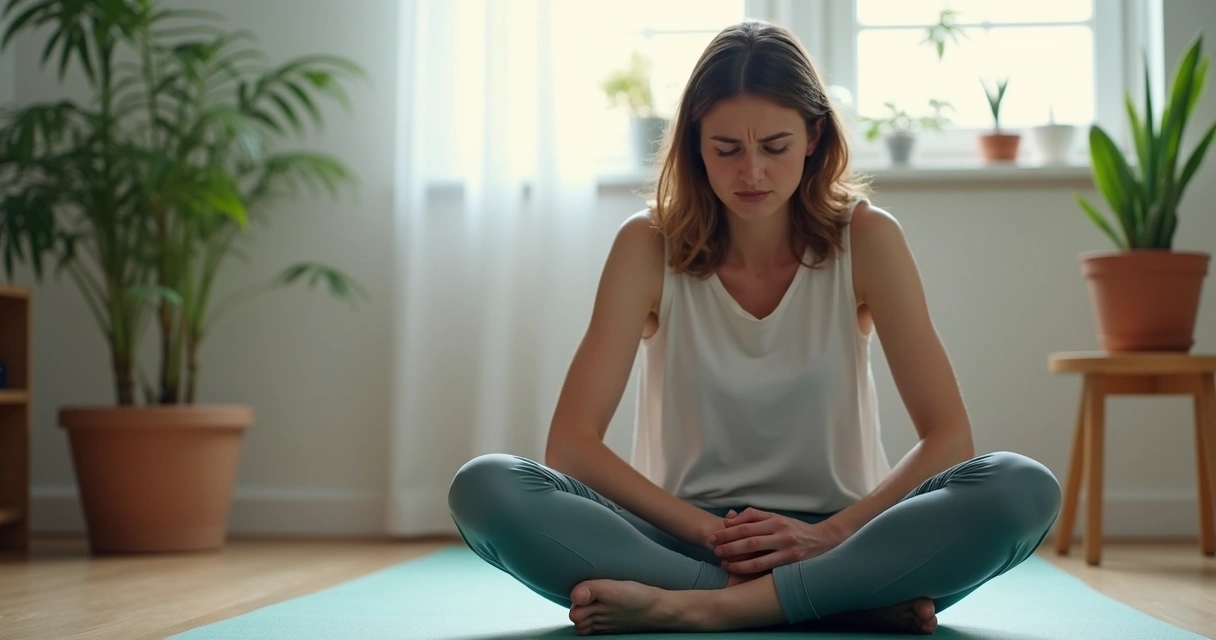
It’s much more helpful to treat meditation as a supportive part of your day—not the single force that fixes everything overnight.
Drop the fantasy. Embrace the small, positive shifts.
When you look for those subtle changes—like a moment of calm after a stressful meeting—meditation starts to feel practical and grounded.
Forcing yourself into discomfort
Somewhere along the way, many people absorb the idea that discomfort is “good” for meditation. They force themselves to sit with poor posture, ignore pain, or pick uncomfortable positions just to do it “right.” I’ve seen how this actually distracts from practice and even causes harm.
- Choose a posture that is both alert and at ease.
- Use a cushion, chair, or bench—comfort is allowed and encouraged.
- Let the body relax without collapsing, so attention is easier to sustain.
Marquesan Meditation, as practiced at Mental Clarity Zone, is built on the idea that posture should support—not hinder—awareness and presence.
Being rigid with rules
In my early years, I obsessed over meditation “rules.” Am I sitting the right way? Is my breathing correct? Should I use a timer? The anxiety this caused pulled me further from the real point—presence and self-connection.
Rigidity in meditation often leads to self-criticism, rather than deeper awareness or peace.
- Use guidelines as inspiration, not law.
- If a small shift helps you feel at ease, make it.
- The most useful rule is to practice with curiosity and kindness toward yourself.
Judging experiences as good or bad
One of the knottiest traps is rating your own meditation sessions. “Today my mind was calm, so it was good. Yesterday I was restless, so it was bad.” I’ve been through this myself. Over time, I learned that each session is simply information—a chance to notice patterns and reactions.

Through the lens of Marquesan Psychology, every emotional state—even restlessness or frustration—offers insight into underlying patterns. Notice what you feel, but do not label it as success or failure.
All experiences are teachers when we pay attention with openness.
Trying to meditate alone forever
While solo practice is valuable, I’ve seen so many people hit a wall when trying to figure everything out on their own. Sharing experiences, asking questions, or being part of a supportive group can open up new understanding and motivation.
If you don’t know where to start, Mental Clarity Zone is always an option—whether for resources, guidance, or simply to connect with others on the same path.
Not integrating into daily life
Meditation isn’t finished the moment you stand up. One of the mistakes I see most is keeping meditation confined to that one quiet spot, without letting its benefits spill into everyday life. When I began intentionally bringing a few mindful breaths into my emails, meals, or walks, everything shifted.
- A pause before speaking can change the tone of a conversation.
- Three conscious breaths during stress soften reaction into response.
- Awareness in action is where meditation truly comes alive.
The Marquesan Metatheory of Consciousness, which shapes the Mental Clarity Zone, encourages this living meditation—where clarity and conscious choice become part of how we move through the world.
Meditation is not a retreat from real life, but a deeper engagement with it.
Conclusion: Moving beyond mistakes into real clarity
Over the years, as I worked through my own setbacks and those of students and readers, I found that the most common meditation mistakes are rarely about technique. They’re rooted in our attitudes, expectations, and the myths we carry. With patience, some self-compassion, and the right guidance, any of these patterns can shift—and your meditation can become a source of stability and clarity.
If you’re looking to deepen your sense of mental clarity and genuine transformation, I invite you to learn more about the approach we cultivate at Mental Clarity Zone. Every step you take in greater awareness and understanding moves you closer to a more conscious, balanced life.
Frequently asked questions
What are common meditation mistakes?
Common meditation mistakes include chasing instant results, trying to force the mind to be completely blank, setting unrealistic goals, pushing through discomfort, being rigid with rules, judging meditation sessions as good or bad, isolating oneself from guidance, and not integrating mindfulness into daily life. These mistakes can block the clarity and growth that meditation offers and may cause people to give up early.
How can I avoid meditation mistakes?
You can avoid common mistakes by starting with realistic expectations, choosing comfortable positions, being gentle with yourself, letting go of perfection, and seeking helpful support or resources. Stay curious about your own experiences, and remember that every session—even the “messy” ones—is building awareness and growth. Practical resources like those at Mental Clarity Zone can keep you on the right path.
Why does my mind wander during meditation?
Your mind wanders during meditation because that’s part of being human. The mind is an active organ, always generating thoughts. The point of meditation isn’t to stop them, but to notice when you’re wandering and gently guide your focus back, again and again. This is how you build awareness and presence.
Is it bad to move while meditating?
It’s not bad to move during meditation. Sometimes, small shifts or adjustments help you stay comfortable and focused. The idea isn’t to become a statue, but to find a relaxed posture that supports awareness. If you’re in pain or strong discomfort, it’s healthy to move gently and return to practice.
How do I know if I’m meditating right?
You’re meditating correctly if you are bringing intentional attention to the present moment, noticing your thoughts and feelings, and returning to your focus when you drift. There’s no single “right” way, but consistency, curiosity, and patience will guide you. The most meaningful markers are often subtle: a bit more calm, patience, or insight in daily challenges.